Reef, Surf & Offshore Fishing Rigs — Hand-Tied Quality, Australian Made

  • Home
  • Rig Finder
  • Rig Decision Guide AU
  • Shop
    • State Packs
    • Online Shop
    • Swains Slayer Series
  • rigs explained
    • Best Fishing Rigs Guide
    • Long Casting Pulley Rigs
    • Gummy Shark Rigs Guide
    • Paternoster Rigs
    • Sliding Snell Rigs
    • Slide Bait Rigs
    • Fish Finder rigs
    • Shark Fishing Rigs
  • Wiggle Wins
  • info
    • Wiggle's Blog
    • About Us
    • Global
    • Retailers
  • More
    • Home
    • Rig Finder
    • Rig Decision Guide AU
    • Shop
      • State Packs
      • Online Shop
      • Swains Slayer Series
    • rigs explained
      • Best Fishing Rigs Guide
      • Long Casting Pulley Rigs
      • Gummy Shark Rigs Guide
      • Paternoster Rigs
      • Sliding Snell Rigs
      • Slide Bait Rigs
      • Fish Finder rigs
      • Shark Fishing Rigs
    • Wiggle Wins
    • info
      • Wiggle's Blog
      • About Us
      • Global
      • Retailers
  • Sign In
  • Create Account

  • Orders
  • My Account
  • Signed in as:

  • filler@godaddy.com


  • Orders
  • My Account
  • Sign out

Signed in as:

filler@godaddy.com

  • Home
  • Rig Finder
  • Rig Decision Guide AU
  • Shop
    • State Packs
    • Online Shop
    • Swains Slayer Series
  • rigs explained
    • Best Fishing Rigs Guide
    • Long Casting Pulley Rigs
    • Gummy Shark Rigs Guide
    • Paternoster Rigs
    • Sliding Snell Rigs
    • Slide Bait Rigs
    • Fish Finder rigs
    • Shark Fishing Rigs
  • Wiggle Wins
  • info
    • Wiggle's Blog
    • About Us
    • Global
    • Retailers

Account


  • Orders
  • My Account
  • Sign out


  • Sign In
  • Orders
  • My Account

Catching Memories Since 2017

Catching Memories Since 2017Catching Memories Since 2017Catching Memories Since 2017

Australian Fishing Rig Decision Guide

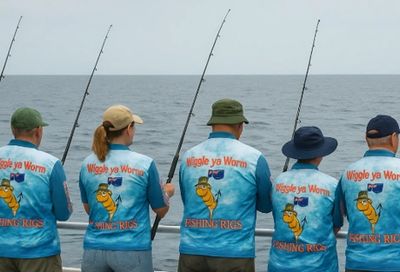
The wiggle ya Worm team fishing trip to NSW group photo

Learn how to choose the right rig for Australian conditions, species, and fishing situations.

Fishing rigs are not one-size-fits-all. The best rig depends on where you are fishing, what species you are targeting, and how conditions affect bait movement and visibility.


This guide explains which rigs work best in common Australian fishing environments and why experienced fishos choose them.


Built from real-world Australian fishing experience across surf, estuary, reef, and land-based conditions. 


 Want a quick personalised recommendation? Use the Rig Finder tool here: 


Surf Fishing Rigs (Australian Conditions)

Surf fishing conditions change quickly between shallow gutters, deep holes, current, and casting distance. The best rig depends on how the bait needs to sit in the water and how far it must travel from shore.


The rigs below reflect what works consistently on Australian beaches when targeting common surf species.

Whiting (Australian Conditions)

Best rig
Double Paternoster Rig – No.4 Worm Hooks – Lumo Beads


 This rig presents natural baits like beach worms, pipis, and peeled prawns close to the sand where whiting feed along shallow gutters and shoreline edges. Two hooks allow coverage of active feeding lanes, and luminous beads improve bait visibility in stirred surf water and broken light conditions.


When to switch rigs

If the surf is calm and fish are feeding cautiously in shallow gutters, a running sinker rig allows lighter, more natural bait movement.


Alternative option
Running Sinker Rig – 20lb Mono – 1/0 Hook – 15g Sinker


See how paternoster rigs work here →

See available whiting paternoster rigs here →

Mulloway (Australian Conditions)

Mulloway are typically targeted using larger baits presented along deep gutters, channel edges, and structure where fish intercept bait moving with tide and current. The most effective rig depends on bait size, casting distance, and whether fish are holding beyond normal casting range.


Recommended rig
Sliding Snelled Double Hook Rig – 60lb Mono – 2 × 6/0 Circle Hooks


This rig presents whole pilchards, slab baits, and whole squid naturally along gutter edges where mulloway patrol for larger prey.


If casting distance is required

Long Cast Pulley Rig – Twin Hook Configuration


This setup protects larger baits during casting and allows presentations to reach deeper water beyond the inside gutters.


If fish are feeding along structure edges or channel drop-offs

Surf & Estuary Fish Finder Rig – Single 6/0 Circle Hook


Allowing bait to move naturally with current improves presentation when mulloway are holding along bridge pylons, rock bars, or deeper channel edges.


If deploying large live or whole baits beyond casting range

Slide Bait Rig System


This approach allows large baits to be positioned accurately after anchoring the sinker in deep gutters and current edges where larger mulloway patrol.


Bait match guide

Whole pilchard → Sliding snelled rig
Whole squid → Sliding snelled rig
Large slab bait → Pulley rig
Live bait → Slide bait rig


See our Beach Mulloway guide here →


See available sliding snelled mulloway rigs here →

Tailor (Australian Conditions)

 Tailor respond strongly to bait size, movement in the wash, and strike speed. The most effective rig depends on whether you are fishing whole pilchards, smaller bait profiles, or casting beyond the inside gutters where larger fish often hold.


Recommended Rig

Sliding Ball Sinker Rig – 3 × 3/0 Ganged Hooks (Mono/Wire Hybrid)


This rig presents whole pilchards naturally in the surf while reducing bite-offs from sharp teeth. It remains the most reliable starting point when targeting tailor along beaches, headlands, and active gutter systems.


If using smaller pilchards or targeting chopper tailor

Sliding Ball Sinker Rig – 2 × 4/0 Ganged Hooks


Lighter gangs improve hook exposure with smaller bait profiles and increase hook-up rates on fast-moving fish.


If fish are feeding beyond the inside gutters

Long Cast Pulley Rig with Ganged Hooks on Wire


This setup protects softer pilchards during the cast and allows larger bait presentations to reach deeper water where bigger tailor often hold.


If bite-offs are frequent or mixed species are present

Switch to wire-trace ganged hook rigs


Wire reduces lost fish when tailor are striking aggressively or when species like mackerel move through the same gutters.


If fishing estuary mouths or channel entrances

The same ganged hook sliding sinker rigs remain effective wherever pilchards drift naturally with tide movement.


Bait match guide

Whole pilchard → 3 × 3/0 gangs
Half pilchard → 2 × 4/0 gangs
Large slab bait → pulley rig with gangs


See available tailor surf rigs here →

Australian Salmon (Australian Conditions)

 Australian salmon respond strongly to moving bait in foam lines and deeper gutters. The most effective rig depends on bait size, feeding depth, and whether fish are working close to shore or beyond the inside gutters.


Recommended rig
Twisted Paternoster Rig – 40lb Mono – 2 × Heavy Duty 2/0 Hooks


This rig keeps strip baits and pilchard pieces slightly elevated above the sand where salmon intercept bait moving through wash and gutter edges.


If salmon are feeding deeper along the bottom

Surf & Estuary Fish Finder Rig – Single 6/0 Circle Hook


This allows strip baits to drift naturally through deeper gutters and slower water where salmon hold below the main wash zone.


If schools are feeding beyond normal casting range

Long Cast Rig with Snelled Hooks for Half Pilchards


This setup improves casting distance while protecting softer bait during the cast, allowing presentations to reach fish working outside the inside gutters.


If using larger strip baits or whole pilchards

Fish Finder Rig – Single 6/0 Circle Hook


Larger baits sit more naturally on a single-hook presentation when allowed to move with current through deeper channels.


If fishing estuary mouths or tide flow zones

The same paternoster and fish finder rigs remain effective wherever bait is pushed through current lines at river entrances and channel edges.


Bait match guide

Pilchard pieces → Twisted paternoster rig
Half pilchard → Long cast snelled rig
Strip bait → Fish finder rig


See available salmon paternoster rigs here →

Flathead (Australian Conditions)

Flathead feed along sandy bottoms, drop-offs, and channel edges where bait moves naturally with current. The most effective rig depends on whether bait needs to stay on the bottom, remain slightly elevated, or drift along structure zones.


Recommended rig
Flathead Fish Finder Rig – 40lb Mono – 2 × 1/0 Hooks – Sliding Weight Clip & Beads


This rig allows strip baits and whole baitfish to move naturally along the bottom where flathead ambush prey in gutters, channel edges, and sandy flats.


If current increases or bait needs to stay slightly elevated

“Everyday” Hand Twisted Paternoster Rig – 2 × 1/0 Hooks – Luminous Beads


Keeping bait just above the sand improves visibility in stirred water and reduces snagging when fishing uneven bottom.


If using larger strip baits or targeting bigger fish

Sliding Snelled Double Hook Rig – 40lb Mono – 2 × 3/0 Circle Hooks – Lumo Bead


Twin hooks improve hook-up rates when presenting longer strip baits or whole baitfish.


If fishing estuary drop-offs, weed edges, or channel structure

The same fish finder rig remains effective wherever bait moves naturally with tidal flow along ambush zones.


Bait match guide

Strip bait → Fish finder rig
Whole baitfish → Sliding snelled rig
Pilchard pieces → Twisted paternoster rig


See available flathead surf rigs here →

Mixed Surf Species (Australian Conditions)

When fishing new beaches or changing conditions, targeting multiple species at once is often the most effective approach. A flexible rig allows different bait sizes to be presented naturally while covering both smaller feeding fish and larger opportunistic predators moving through the same gutters.


Recommended rig
Pompano Paternoster Float Rig – 2 × 1/0 Hooks


This rig keeps bait visible slightly above the sand and works well when targeting species like whiting, bream, dart, and smaller tailor feeding along active gutter edges. Floats and beads improve bait visibility in moving water and stirred surf conditions.


If larger predators are moving through the gutter

All Species Beach Fishing Rig – 40lb Black Coated Wire – 5/0 Fixed Bead Hook + 1/0 Stinger Hook


This setup handles mixed-species situations where tailor or mulloway may strike the same bait being presented for smaller fish.


If conditions are calm and fish are feeding cautiously

Sliding Snelled Double Circle Hook Rig – 20lb Mono – 2 × Circle Hooks – Luminous Bead


A lighter presentation improves hook-up rates when fish are line-shy or feeding slowly in shallow gutters.


If fishing estuary mouths or tide flow zones

The same paternoster and sliding snelled rigs remain effective wherever bait is pushed naturally through current lines at channel entrances.


Bait match guide

Beach worms or pipis → Pompano paternoster rig
Pilchard strips → Sliding snelled rig
Whole pilchard or slab bait → Wire trace mixed-species rig


See available mixed-species surf rigs here →

Deploying Large Live or Whole Baits (Slide Bait System)

When target species are holding beyond normal casting distance, slide bait rigs allow large live or whole dead baits to be positioned after the sinker is anchored. This makes it possible to present bigger baits in deeper water where larger predators patrol outside the inside gutters.


Recommended setup
Slide Bait Rig System


This method allows large baits such as live baitfish, whole squid, or slab baits to be delivered accurately into deep gutters and current edges without damaging bait during casting.


If targeting larger mulloway beyond casting range

Slide bait rigs allow whole pilchards, squid, and live bait to remain stable in position along deep gutter edges where larger fish intercept bait moving with tide flow.


If targeting mackerel or mixed pelagic predators from headlands

A slide bait rig keeps larger live baits positioned in current lanes where fast-moving fish patrol close to structure.


If targeting sharks from beaches or ledges

Slide bait rigs provide controlled placement of large bait beyond the surf zone while maintaining strong hook exposure and stable presentation.


Bait match guide

Live baitfish → Slide bait rig
Whole squid → Slide bait rig
Large slab bait → Slide bait rig


 Learn how slide bait rigs work here → 


See available slide bait rigs here →

Rock Fishing (Australian Conditions)

Rock fishing platforms allow access to deeper water close to shore, where fish feed along wash zones, current edges, and structure lines. Rig choice depends on whether bait is being presented on the bottom, suspended in wash, or positioned for passing pelagic species.


Recommended rig for wash feeders

Paternoster Rig – 2 × 1/0 Hooks – Luminous Beads


This rig keeps bait slightly above the bottom where species such as bream, tarwhine, and drummer feed along rocky ledges and wash zones. Luminous beads improve bait visibility in turbulent white water.


If targeting tailor or salmon from headlands

Sliding Ball Sinker Rig – Ganged Hooks


Ganged hook rigs present pilchards securely in moving wash and allow natural bait movement where predatory fish patrol along current edges near rock platforms.


If targeting mulloway around deeper ledges

Sliding Snelled Double Hook Rig – 2 × 6/0 Circle Hooks


This setup presents larger baits such as whole pilchards or squid along deeper structure edges where mulloway move through tidal current zones after dark.


If targeting larger pelagic species close to structure

Slide Bait Rig System


Slide bait rigs allow large live or whole baits to be positioned beyond the wash zone into deeper current lanes where mackerel, mulloway, and sharks patrol close to headlands and rock platforms.


Bait match guide

Prawns or cunjevoi → Paternoster rig
Pilchards → Ganged hook rig
Whole squid → Sliding snelled rig
Live baitfish → Slide bait rig


Learn how slide bait rigs work here →


See available rock fishing rigs here →

Offshore & Reef Fishing (Australian Conditions)

Reef fishing requires stronger rigs than beach or rock fishing because fish are feeding close to structure where abrasion, reef edges, and vertical terrain increase failure risk. Rig choice depends on water depth, reef density, and the size of target species.


Recommended rig for shallow reef and snapper

Snapper Rig – 60lb Mono – Twin Hook Configuration


This setup presents whole pilchards, squid, and slab baits naturally along shallow reef edges where snapper and reef species feed above broken ground.


If targeting mixed reef species in deeper structure

Heavy Duty Reef Paternoster Rig – 80lb Class


This rig keeps bait positioned just above reef structure where species such as coral trout, emperor, cod, and larger snapper feed close to the bottom.


If fishing remote reef systems or heavy coral country

Swains Slayer Series Reef Rigs


These rigs were developed specifically for high-abrasion reef environments where standard paternoster rigs fail quickly against coral structure. Heavier trace materials and reinforced components improve landing success when targeting larger reef species in demanding conditions.


Bait match guide

Whole pilchard → Snapper rig
Squid or slab bait → Reef paternoster rig
Large slab bait or live bait → Swains Slayer reef rigs


Learn how the Swains Slayer Series was developed here →

See available snapper rigs here →

See available heavy reef paternoster rigs here →

See the Swains Slayer Series here →

Still Not Sure Which Rig to Use?

Choosing the right fishing rig depends on where you’re fishing, the species you’re targeting, and the type of bait you want to present. If you’re still unsure after working through this guide, the tools below will help narrow things down further.


Use the Rig Finder tool to match rigs to your fishing conditions →
https://wiggleyawormrigs.com/rig-finder


Learn how different rig types work here →
https://wiggleyawormrigs.com/rigs-explained


Browse species-specific fishing tips and rig advice here →

Copyright © 2026 Wiggle ya Worm - Quality Hand Tied Fishing Rigs - All Rights Reserved.

  • Privacy Policy
  • Terms and Conditions

Powered by

This website uses cookies.

We use cookies to  optimize your website experience. 

Accept